

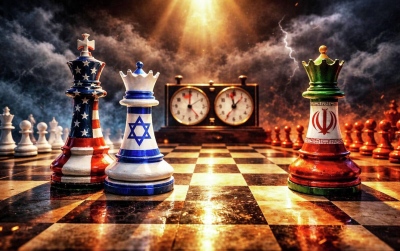
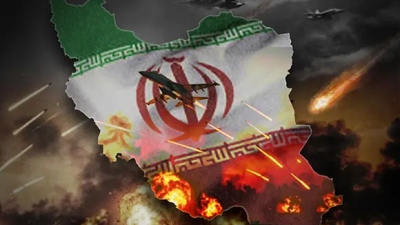
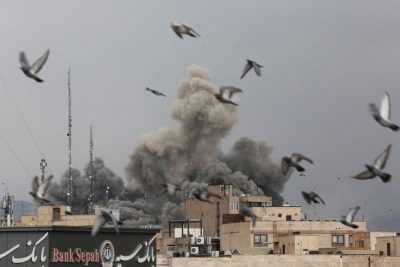
The ceasefire between Iran and the US is entering its 88th day, however, the picture that is emerging remains extremely fragile, with the diplomatic background reminiscent more of a setting of intense geopolitical conflict than stabilization.
International media outlets speak of a "temporary and informal understanding" between the two sides, which is allegedly aimed at de-escalating the tension and potentially restarting talks following the recent political developments in Iran.
The journalist from Al Jazeera reports that the window of dialogue remains open, but under strict conditions and with time limitations.
At the same time, CNN cites US officials who claim that the Trump administration is closely monitoring an espionage network with an assigned connection to Israel, which has allegedly intensified its activity against both Iranian and American targets.
According to the same information, an attempt was made through mediation channels to send a warning to Tehran about the risk of targeted actions in the midst of negotiations.
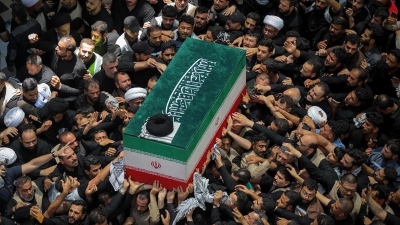
Iranians swear oaths of revenge in front of Khamenei's coffin
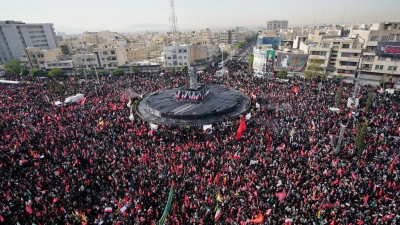
In one of the most sensitive and politically charged moments in the modern history of Iran, Tehran finds itself at the center of a multi-day cycle of ceremonies for the former supreme leader Ali Khamenei, which are evolving far beyond the framework of a typical national mourning.
The funeral of the deceased leader is being transformed into a powerful tool of political semiotics, with the Iranian leadership attempting to broadcast a message of continuity, stability, and an undisturbed state structure, at a time when the internal political system is being tested by the succession process and external pressures.
Within an environment of prolonged tension with the US and Israel, but also of increased military-political uncertainty in the Middle East, the image of the mass ceremonies and the public expression of mourning in Tehran is utilized to reinforce the narrative of national unity and the resilience of the regime.
Harsh rhetoric and political conflict
The speaker of the Iranian Parliament, Mohammad Bagher Ghalibaf, moved in particularly high tones, emphasizing in response to statements by Donald Trump that Tehran "decides exclusively on its own assets," accusing the US of a policy of disorientation and internal hypocrisy.
At the same time, the Iranian Minister of Defense warned that any violation during the course of the talks process will be answered "on the spot," underlining that past experience leaves no room for trust toward Washington and Israel.
Ghalibaf also returned, pointing out that critical parameters concerning regional balances and the so-called "Resistance" have been integrated into the agreement with the US, a fact that implies that the geopolitical setting remains particularly complex.
Military movements and European involvement
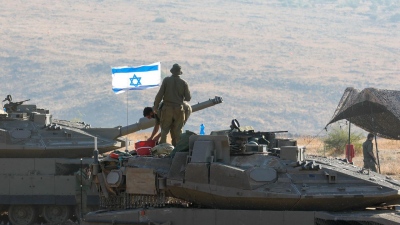
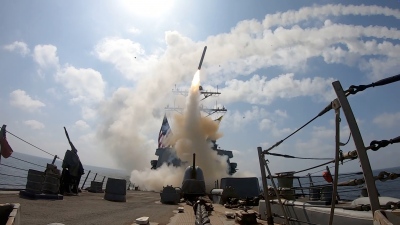
Meanwhile, European capitals are proceeding with reinforcing their military presence in the wider region, citing the need to protect navigation and energy security.
Emmanuel Macron has allegedly confirmed the dispatch of minesweeping units and naval forces, within the framework of a wider maritime route surveillance mission.
At the same time, a redeployment of naval assets was mentioned following consultation with regional factors, with the aim, as is claimed, of stability in strategic passages.
France and Britain, according to information, claim that there is an understanding with Oman to ensure the security of territorial waters, in an effort to avoid further escalation in the region.
Shadow of espionage and diplomatic suspicion
Particular weight is given to the revelations of CNN, according to which the US has intensified the monitoring of espionage networks attributed to Israel.
The same sources report that Washington has attempted to warn Tehran through third countries, under fear of potential strikes that could derail the talks.
The picture that is emerging points to a ceasefire of high instability, where diplomatic processes coexist with intense military mobility, suspicion, and intelligence competition.
Despite de-escalation efforts, the setting remains fragile, with each new statement or movement bringing back the risk of overturning the balance in the Middle East.
www.bankingnews.gr


Σχόλια αναγνωστών